



Sietse Thuis and Ingrid van Helvert: Sustainable mugs
Sustainable thermos mug
Litter on and around the Spijk site had been a thorn in Sietse's side for some time. “There was all kinds of stuff lying around, especially a lot of plastic coffee cups. I was keen to contribute to improving that. After brainstorming with all the office workers in Spijk, we came up with the idea of making coffee drinking more sustainable. Every year, we use more than 200,000 disposable plastic cups in Spijk and Tolkamer. If only we would stop doing that for a start.”
Together with colleagues Ingrid van Helvert and Rogier Verheijen, a plan was drawn up. Ingrid: “We considered various alternatives and finally arrived at a personal coffee cup for every permanent employee. Because in Tolkamer the coffee machines just happened to be replaced, we started our initiative there. We spent a long time looking for a suitable mug. Our colleagues in Tolkamer were allowed to choose from five options and the Tefal thermal mug came out on top. Each employee received their own mug with their first name engraved on it. The latter was still a challenge in itself, but worked out well.”

Every year we use more than 200,000 disposable plastic cups in Spijk and Tolkamer. If only we would stop doing that for a start.
Solution for drivers
“With the abolition of disposable cups, we did have to find a solution for the drivers who can always grab coffee as a service,” Sietse says. “We once polled what people think about this. The trend is that it will become ‘normal’ for everyone to bring their own stuff. Those who don't have a mug or cup can buy a Tefal mug or cheaper plastic cup via the soda machine.”
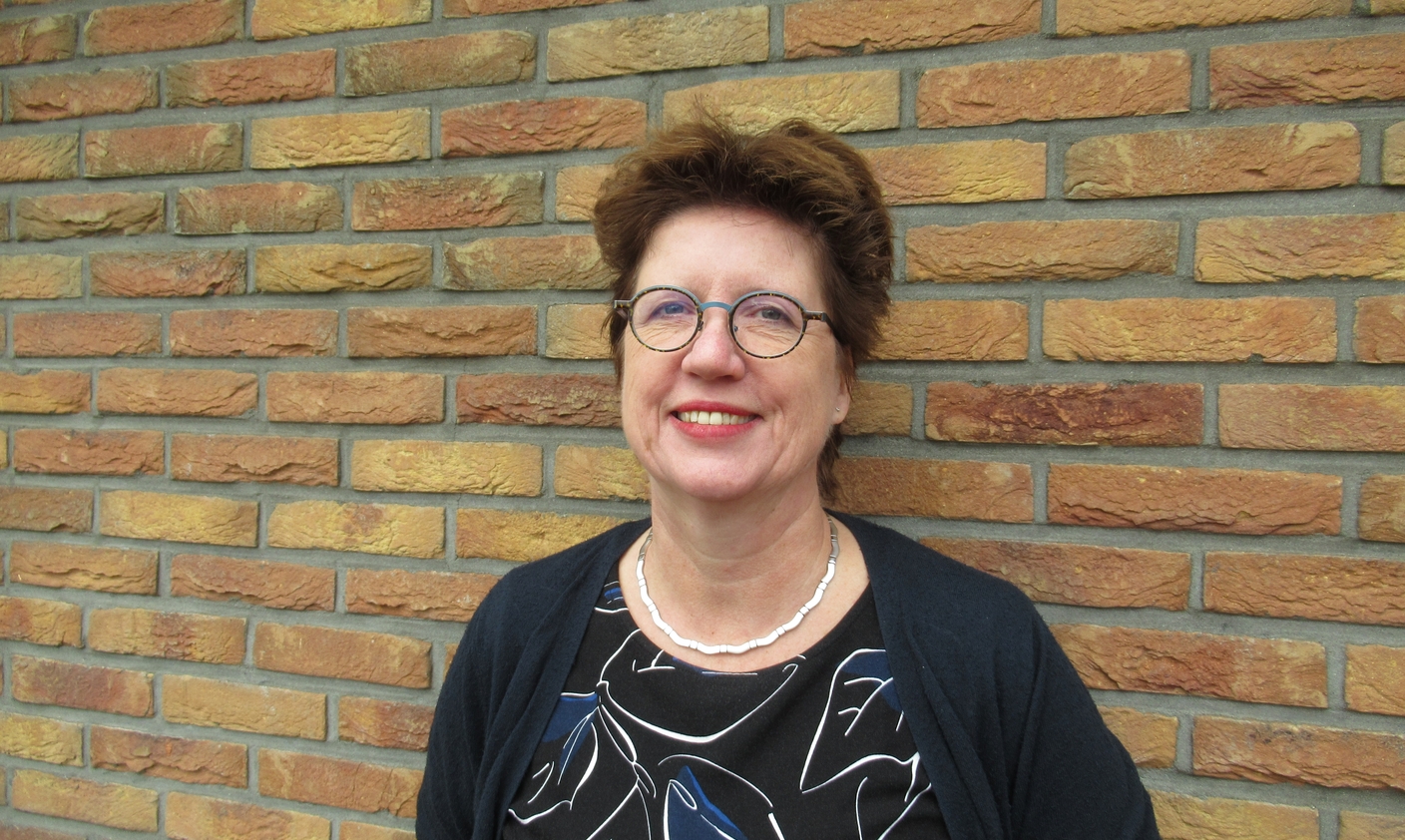
"What contributed positively was that everyone was allowed to contribute to the choice of mug."
1,600 kg CO2 saved
Sietse: “Colleagues have generally welcomed the initiative. We explained what the environmental impact of 200,000 plastic cups is. That's 1,600 kg of CO2! That does put them off”. Ingrid: “We made the link with the bread bin. You also take that from home every day and wash it off at home. What contributed positively is that everyone was allowed to contribute to the choice of mug. Next step is that employees will also use their mug when they have guests, instead of cups. That way we save on washing up.”
Read the other stories

Playful video tips
How can we contribute to a better climate in an approachable, simple way? With that question, Annick, Ine, Joëlle and Fanny from the marketing team at Spouwen set to work.

Planting trees
Sustainability is a theme that resonates with colleagues Baptiste, Christian, Isabelle, Magali, Soukirah and Laurent in Halluin (FR). They came up with the idea of planting trees in the garden behind the office: a team-building activity with a green result.